Biggest Air Pro 2 True Wireless 2021 Buying Mistakes (And How to Avoid Them)
The release of the Air Pro 2 True Wireless in 2021 marked a significant turning point for mid-range audio enthusiasts. As EarFun sought to bridge the gap between budget-friendly earbuds and the premium segment dominated by industry giants, the Air Pro 2 emerged as a high-value contender. However, several years later, it remains a popular choice for budget-conscious buyers seeking active noise cancellation and balanced sound. Choosing a set of true wireless earbuds involves navigating a minefield of technical specifications, ergonomic considerations, and marketing terminology. Unfortunately, many consumers fall into common traps when purchasing the Air Pro 2, leading to buyer’s remorse or a subpar listening experience.
The EarFun Air Pro 2 True Wireless 2021 model is a specialized piece of hardware that balances cost with performance. It features QuietSmart 2.0 Hybrid Active Noise Cancellation (ANC), 10mm titanium composite dynamic drivers, and a six-microphone array designed for clear calls. Despite these impressive features on paper, the context of the purchase is everything. Understanding the specific design choices made in 2021—and how they align with modern expectations—is the first step in avoiding expensive mistakes. This guide explores the nuances of the Air Pro 2 and provides a roadmap for securing the best possible experience with this specific hardware.
Detailed Product Analysis: The Air Pro 2 (2021 Edition)
To understand potential buying mistakes, one must first understand what the Air Pro 2 2021 actually is. At its core, this device is a hybrid ANC earbud that utilizes both outward-facing and inward-facing microphones to suppress ambient noise up to 40dB. This was a significant achievement for its price bracket in late 2021. The sound profile is driven by 10mm titanium composite drivers, which provide a punchy bass response without completely sacrificing the clarity of the mid-range and highs.
The ergonomics follow the popular "stem" design, which assists in microphone placement for better voice pick-up during calls. The charging case is compact and supports both USB-C and Qi wireless charging, a luxury feature often omitted in budget models. In terms of battery life, users can expect roughly 7 hours of playback with ANC off, and about 6 hours with it engaged. The total playtime with the case extends to approximately 34 hours. These specs were competitive at launch and remain respectable today, provided the buyer is aware of the limitations mentioned in the coming sections.
Active Noise Cancellation and Transparency Mode
The QuietSmart 2.0 technology in the 2021 model was specifically designed to tackle wind noise reduction, a common complaint in earlier true wireless iterations. The ANC is effective at neutralizing low-frequency hums, such as airplane engines or air conditioning units. However, it is less effective against high-frequency, unpredictable sounds like office chatter or a crying baby. The Transparency Mode allows ambient sound to pass through the microphones, helping users stay aware of their surroundings. A common mistake is expecting the ANC to rival the silence of top-tier models from Sony or Bose, which cost three to four times as much.
Sound Signature and Customization
Out of the box, the Air Pro 2 features a "V-shaped" sound signature. This means the bass and trebles are slightly boosted, which is generally pleasing for modern pop, hip-hop, and electronic music. The titanium drivers provide a fast transient response, meaning the earbuds can handle complex drum sequences without sounding muddy. The 2021 model relies heavily on its physical tuning, as extensive app-based EQ customization was not the primary focus for EarFun at that specific time compared to later Pro 3 models.
Mistake #1: Confusing the 2021 Model with Subsequent Iterations
One of the most frequent errors buyers make is not verifying the specific version of the Air Pro they are purchasing. The "Air Pro 2" designation specifically refers to the 2021 release, but it is often confused with the original Air Pro or the later Air Pro 3. Each version features different chipsets and codecs. The 2021 model uses a specific internal architecture that lacks some of the advanced multipoint connection features found in the 2023 versions. If you require the ability to connect to two devices simultaneously (like a laptop and a phone), the 2021 Air Pro 2 is not the right choice. Buyers often purchase these thinking they are getting the "latest" tech, only to find they have purchased a previous generation's flagship.
Mistake #2: Overlooking the Fit and Seal Requirements
The Air Pro 2 relies heavily on a "Hybrid ANC" system. For this system to work, the physical seal (passive isolation) must be perfect. Many users make the mistake of using the default medium ear tips without experimenting with the small or large options included in the box. If the seal is broken, the 40dB noise cancellation claim becomes irrelevant. Furthermore, the stem length and the angle of the nozzle might not be suitable for those with very small ear canals. A common buying mistake is assuming "one size fits all" and then blaming the hardware for poor bass response or ineffective noise cancellation when the real issue is fitment.
Looking for the best Audio & Headphones deals on Amazon?
See Deals →Pros and Cons of the Air Pro 2 True Wireless 2021
- Pro: Hybrid Active Noise Cancellation: Effectively reduces ambient noise up to 40dB, providing an immersive listening experience in noisy environments.
- Pro: Driver Quality: The 10mm titanium composite dynamic drivers deliver a crisp, energetic sound that outperforms many competitors in the sub-$100 category.
- Pro: Wireless Charging: Inclusion of Qi-certified wireless charging in the case adds a level of convenience usually reserved for high-end models.
- Pro: Call Quality: The 6-microphone array, combined with an AI-powered noise-reduction algorithm, makes these earbuds highly capable for professional calls and video conferencing.
- Pro: IPX5 Water Resistance: Provides protection against sweat and rain, making them suitable for workouts and outdoor use.
- Con: Lack of Multipoint Connection: Unlike newer iterations, the 2021 model cannot connect to two devices at once, which is a drawback for power users.
- Con: No In-Depth App Support: While basic functionality is present, it lacks the deep EQ customization and button remapping found in newer competitors.
- Con: On-Device Volume Control Sensitivity: The touch controls can sometimes be overly sensitive or unresponsive depending on humidity and finger placement.
Mistake #3: Ignoring the "Use Case" Suitability
Buyers often purchase the Air Pro 2 for the wrong environment. While these are excellent all-rounders, they are specifically optimized for commuters and casual listeners. If you are a competitive gamer, the latency on the 2021 model—while decent for music and video—might be noticeable in fast-paced shooters where every millisecond counts. Similarly, while the IPX5 rating is good for a jog, it is not "waterproof." A buying mistake is assuming these can survive heavy drenching or submersion. Always align the product specifications with your primary activity.
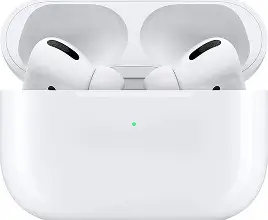
Comparing the Air Pro 2 (2021) to Market Segments
The following table provides a breakdown of how the Air Pro 2 2021 sits within the broader market of that era. This helps avoid the mistake of overpaying or under-specifying for your needs.
| Feature | Budget Entry (Generic) | Air Pro 2 (2021) | Premium Segment (2021) |
|---|---|---|---|
| ANC Technology | Passive Only or Basic ANC | Hybrid QuietSmart 2.0 (40dB) | Advanced Adaptive ANC/li> |
| Driver Material | Plastic/Silicone | Titanium Composite | Beryllium or Liquid Crystal Polymer |
| Charging | USB-C only | USB-C + Wireless Qi | USB-C + Fast Wireless + Reverse |
| Detection | None | In-ear Infrared Sensors | Advanced Optical Sensors |
| Battery (with Case) | 15-20 Hours | 34 Hours | 24-30 Hours (Higher Power Draw) |
Mistake #4: Miscalculating Battery Expectations with ANC On
A frequent error is reading the "34 hours" total battery life and assuming that covers a full work week with ANC engaged at high volumes. Battery life in true wireless earbuds is highly variable. The 34-hour figure usually assumes ANC is off and volume is at 50%. If you use the Air Pro 2 at 80% volume with ANC active, your per-charge time might drop to nearly 5 hours. To avoid frustration, buyers should plan for charging cycles that account for their actual usage patterns rather than theoretical maximums.
Mistake #5: Underestimating the Importance of Codec Support
The Air Pro 2 2021 primarily supports AAC and SBC codecs. In 2021, many high-fidelity enthusiasts made the mistake of buying these expecting aptX or LDAC support. While AAC is excellent for Apple devices and sounds very good on modern Android phones, it is not "lossless" or "high-resolution" audio. If you are a Tidal or Qobuz user seeking bit-perfect audio transmission, purchasing the Air Pro 2 would be a mistake. However, for Spotify, YouTube, and Apple Music users, the codec support is perfectly matched to the source quality.
Comprehensive Buying Guide: How to Buy the Air Pro 2 Smarter
If you have decided that the Air Pro 2 2021 is the right fit, follow these steps to ensure you are getting exactly what you need without falling into typical traps.
Step 1: Verify the Manufacturing Date and Version
Look for the "QuietSmart 2.0" branding on the packaging. The original Air Pro (without the "2") used version 1.0, which was significantly less effective at wind-noise cancellation. Ensure you are not being sold old stock of the first generation at second-generation prices.
Step 2: Assess Your Device Ecosystem
Because these earbuds rely on AAC/SBC, they are perfectly tuned for iPhone users and the majority of Samsung/Google Android users. If you are using a niche high-res player that only outputs via aptX, you may experience higher latency or slightly degraded audio quality as the device downscales to SBC.
Step 3: Consider the Touch Control Learning Curve
The 2021 model utilizes a single-tap, double-tap, and triple-tap system. One buying mistake is not realizing that volume is controlled by a single tap (Left for down, Right for up). Many users find this frustrating because a simple adjustment of the earbud can accidentally trigger a volume change. If you hate touch controls, this model—and most true wireless stems—might not be for you.
Find top-rated Audio & Headphones products at great prices.
View Offers →Step 4: Check for In-Ear Detection Needs
The Air Pro 2 includes infrared sensors that automatically pause music when an earbud is removed. This is a premium feature. Some buyers find this annoying if they like to listen with one ear while the other is loose. While it can often be managed, knowing that this "smart" feature exists is vital for those who prefer manual control over everything.
Real-World Use Case: The Daily Commuter
Consider a typical commuter using the subway. Their primary concerns are noise isolation, battery reliability, and call clarity. For this user, the Air Pro 2 2021 is a stellar choice, provided they avoid the mistake of ignoring the Transparency Mode. When walking on busy streets, switching out of ANC and into Transparency Mode is a safety necessity. Many buyers "set it and forget it" on ANC, which can be dangerous in urban environments. The 2021 model's easy toggle between these modes via a long press on the left earbud is a key feature to master.
Real-World Use Case: The Home Office Professional
For the professional working from home, the mistake is often assuming the Air Pro 2 can replace a dedicated desk microphone. While the 6-mic array is excellent for its size, it remains an earbud microphone. It is susceptible to "room echo" in large, empty offices. To get the most out of the Air Pro 2 for work, users should ensure they are in a dampened environment. The buying mistake here is expecting studio-quality vocal recording from a device designed for portable convenience.
Maintaining Your Investment
A final mistake happens after the purchase: neglecting maintenance. True wireless earbuds are prone to earwax buildup on the mesh filters, which can drastically reduce volume in one ear. Users often think their earbuds are "breaking" and try to buy a new pair, when a simple cleaning with a soft brush and isopropyl alcohol would restore them. Given the Air Pro 2's specific driver housing design, regular cleaning is essential for maintaining the frequency response tuned in 2021.
The Air Pro 2 True Wireless 2021 remains a benchmark for what a mid-range earbud can achieve. By avoiding the common pitfalls of model confusion, improper fit, and unrealistic battery expectations, buyers can enjoy a high-quality audio experience that punches well above its weight class. Whether you are attracted to the titanium drivers or the wind-noise reduction, informed purchasing is the only way to guarantee that your audio gear serves your lifestyle effectively.
Ultimately, the Air Pro 2 2021 is a testament to the rapid evolution of audio technology. While it lacks some of the bells and whistles of the most recent 2024 releases, its core performance—sound quality and noise suppression—remains highly relevant. Navigating the buying process with a critical eye toward versioning and specific use cases ensures that your investment provides the acoustic return you deserve.